Stop Saying Yes to Everything: How Over-Collaboration Is Quietly Erasing You
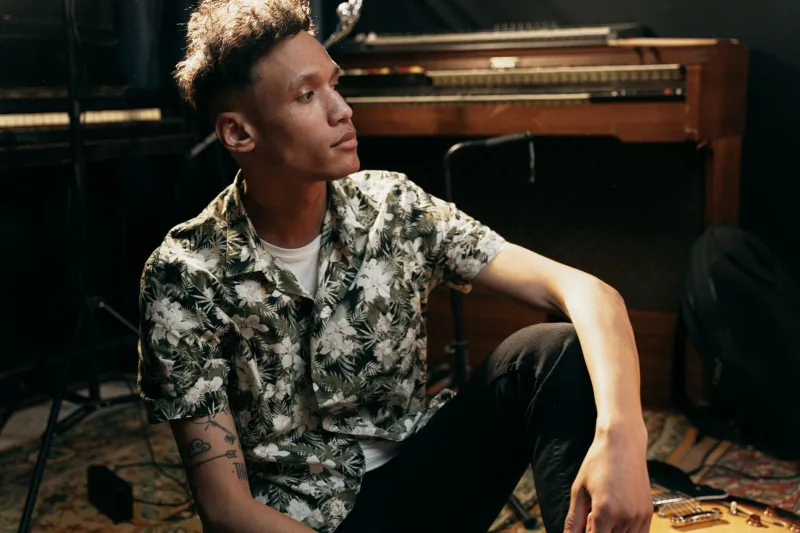
There's a version of success that looks incredible from the outside. Your name is everywhere. You're on someone's track, then someone else's project, then a joint EP with a person you met at a showcase three months ago. You're visible. You're busy. You're relevant.
And somewhere in the middle of all that, you stopped sounding like yourself.
This is the collaboration trap, and it catches more artists than anyone likes to admit. Not because collaboration is bad — it genuinely isn't — but because the impulse to collaborate, when it's driven by fear instead of creative excitement, will hollow you out faster than any dry spell ever could.
Why Artists Say Yes When They Should Sit Still
Let's be honest about what's actually happening when you agree to a feature you're lukewarm on or a creative partnership that doesn't quite fit your lane. It rarely comes down to the project itself. It comes down to what saying no might cost you.
You don't want to seem difficult. You don't want to miss a wave. You're worried that if you pass on this one, the invitations stop coming. There's a scarcity mindset baked into the entertainment industry — especially in the early and mid stages of a career — that makes every opportunity feel like a test you can't afford to fail.
So you say yes. And then you say yes again. And pretty soon you're showing up on projects that don't reflect your perspective, lending your voice to creative visions that aren't yours, and building a catalog that looks impressive in volume but feels scattered in identity.
The Visibility Trap
Here's the thing about visibility: it's not the same as recognition. You can be everywhere and still feel unseen.
When your name is attached to too many different sounds, aesthetics, and creative directions, audiences have a harder time understanding who you actually are. And in an industry where connection is currency, that confusion is expensive. People don't follow artists who feel like a different person every project. They follow artists who feel like someone — specific, consistent, knowable.
Over-collaboration can actually undermine the very visibility you were chasing. Instead of building a clear artistic identity, you end up as a supporting character in a dozen other people's stories.
It's Not About Being Precious
None of this is an argument for isolation or artistic snobbery. Some of the most defining work in music, visual art, film, and performance has come out of unexpected creative partnerships. Collaboration can push you somewhere you never would have gone alone. That's real.
But there's a difference between a collaboration that challenges and expands you and one that just uses you. One that genuinely merges two creative perspectives and one that just needs your name or your skill set to fill a gap. The first kind is worth rearranging your schedule for. The second kind is a favor disguised as an opportunity.
The question isn't should I collaborate? The question is why am I saying yes to this one?
How to Actually Evaluate a Collaboration Request
Before you commit to anything — a feature, a co-write, a joint project, a creative residency with another artist — try running it through a few honest questions.
Does this project reflect something I actually believe in? Not just aesthetically, but conceptually. Does the work align with what you're trying to say as an artist right now?
Would I be proud to have this in my catalog five years from now? Your body of work is cumulative. Everything you attach your name to becomes part of the story people tell about you.
Am I saying yes because I'm genuinely excited, or because I'm afraid of what happens if I say no? Fear is a bad creative compass. If the main reason you're agreeing is anxiety about your relevance, that's worth pausing on.
Is there real creative exchange here, or is one of us just a resource for the other? The best collaborations feel like a conversation. If it feels more like a transaction, pay attention to that.
The Power of a Considered No
Saying no — thoughtfully, respectfully, without burning bridges — is one of the most underrated creative skills an artist can develop. It signals that you take your work seriously. It tells the industry that your yes means something because it isn't automatic.
Artists who are selective with their collaborations tend to attract better ones over time. When people know you don't just jump at anything, they bring you things that are actually worth your attention. Your discernment becomes part of your reputation.
And internally? Saying no to the wrong things creates space for the right ones. That's not just inspirational-poster logic — it's practical creative math. Your time, energy, and creative attention are finite. Every project you commit to is a project you're not committing to somewhere else.
Protecting the Thing That Makes You Worth Collaborating With
At the end of the day, the most valuable thing you bring to any creative partnership is your distinct point of view. That's the thing people want when they reach out to you. That's the thing that makes a collaboration with you different from a collaboration with anyone else.
But that distinctness requires protection. It requires you to spend enough time in your own creative world that your voice stays clear and specific. It requires saying no often enough that when you do say yes, you're bringing your full self to the table — not a diluted version that's been stretched across too many projects.
Your artistic identity is not a renewable resource that replenishes automatically. It needs room to breathe, develop, and deepen. And sometimes the most important thing you can do for your creative career is slow down the collaborations long enough to remember exactly who you are when you're working alone.