Seven Analog Habits That Refuse to Die (Thank Goodness)
Platforms come and go, but a fan who feels personally seen is yours for life. These seven old-school habits still outperform any algorithm — and none of them require Wi-Fi.
Where Art Meets Authenticity
Platforms come and go, but a fan who feels personally seen is yours for life. These seven old-school habits still outperform any algorithm — and none of them require Wi-Fi.
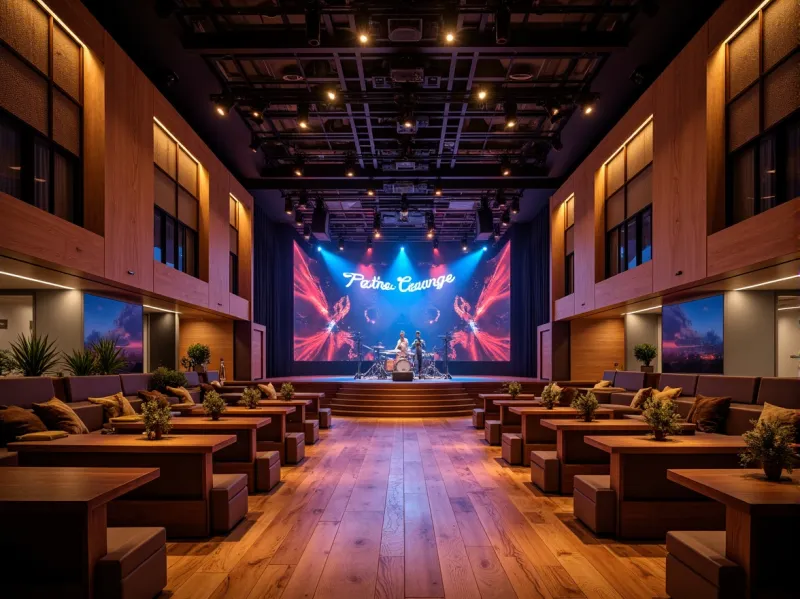
The industry mixer is dead, and honestly? Good riddance. Inside the private Discords, group texts, and tiny servers where independent artists are finding collaborators, managers, and the kind of momentum that never shows up on a conference badge.
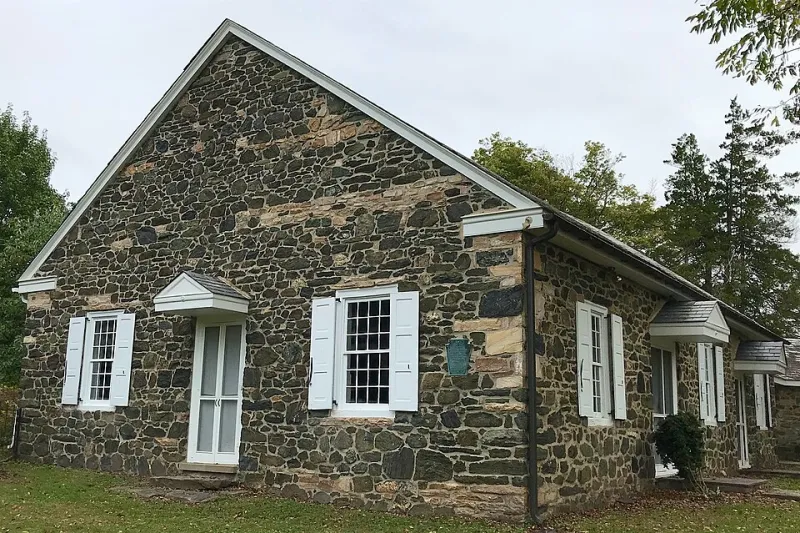
There's a weird stigma attached to going back — like playing your hometown bar after you've "made it" means the momentum died somewhere on the road. That's backwards. The hometown crowd isn't a step down the ladder. It's the only audience that can still tell you the truth.
The music industry, the art world, the content economy — they all quietly pressure you to collaborate constantly. But some of the most powerful creative breakthroughs happen when you stop featuring everyone and start listening to yourself again. Here's how to recognize when you need a solo era — and how to actually take one.
You're past the scrappy early days but not yet at the level where you can breathe easy — and nobody really talks about how weird and hard this specific place is. The mid-career plateau is real, and navigating it takes a completely different kind of fuel than either desperation or triumph.
Every artist builds a story. But what happens when the person you're becoming doesn't quite fit the narrative you've been selling? Here's how to close the gap between your public persona and your private truth — without blowing everything up.
Every feature request, guest spot, and creative partnership feels like an opportunity — until you look up one day and can't quite remember what your own sound feels like. This piece digs into the psychology of saying yes too often and makes the case for protecting your creative identity like the asset it actually is.
Undercharging isn't humility — it's a habit that keeps independent artists stuck. This practical guide walks through how to calculate your real market value, identify the imposter syndrome patterns that lead to low-balling yourself, and negotiate rates that reflect the work, the skill, and the audience you've actually built.
We spend so much time rehearsing the rough edges away that we sometimes polish out the very moments audiences remember forever. This piece makes a case for the stumble, the crack, the forgotten lyric — and why raw vulnerability on stage often hits harder than any technically perfect performance ever could.
There's a weird moment that happens to a lot of artists when vulnerability stops feeling like freedom and starts feeling like a job requirement. The second your rawness becomes your brand, something shifts — and figuring out how to navigate that shift without losing yourself is one of the trickiest things in the creative life.
The city you live in, the town you came from, the neighborhood you can afford — all of it is quietly inside your work whether you realize it or not. Place isn't just backdrop. It's a creative collaborator you never officially hired.
Not everyone who wants to work with you is rooting for you. Some people are drawn to your momentum, not your mission — and the two can look almost identical until the contract is already signed. Here's how to tell the difference before it costs you.
New York, LA, Nashville — the creative capitals have a pull that's hard to argue with. But some of the most interesting art being made in America right now is coming from places nobody expected, and the geography isn't incidental. It's part of the work.
Collaboration can open doors — but it can also quietly sand down everything that made you interesting in the first place. Here's what nobody tells you about the cost of working with the 'right' people before you've fully figured out who you are.
The people who showed up for you early are everything. But when the audience you built starts shaping the art you make, something important gets lost. This is an honest conversation about what it costs to grow — and what it costs not to.
The algorithm will not save you. It wasn't designed to. But somewhere out there is a real, specific audience of people who will actually show up for your work — and building a career around them is both more sustainable and more satisfying than chasing a trending moment that evaporates by Thursday.
Everyone keeps telling artists to be more open, more raw, more relentlessly transparent — but what if the most powerful thing you can do is choose what stays hidden? True authenticity isn't about emptying your pockets for an audience. It's about knowing exactly which pocket to reach into.
That folder of abandoned projects sitting on your hard drive isn't a graveyard — it's a gold mine you haven't figured out how to excavate yet. Some of the most surprising creative breakthroughs in music, film, and visual art started with an artist going back to something they once gave up on.
Some albums don't click until your life rearranges itself. Some films don't land until you've lived through the thing they were trying to tell you. This is about what happens when you go back — and what you find out about yourself when you finally do.
We spend so much energy curating the wins that we forget the losses are doing just as much heavy lifting. Here's why your collection of rejections, near-misses, and closed doors might be the most powerful thing in your creative arsenal — and how to start treating it that way.