Come Home and Play the Room That Raised You
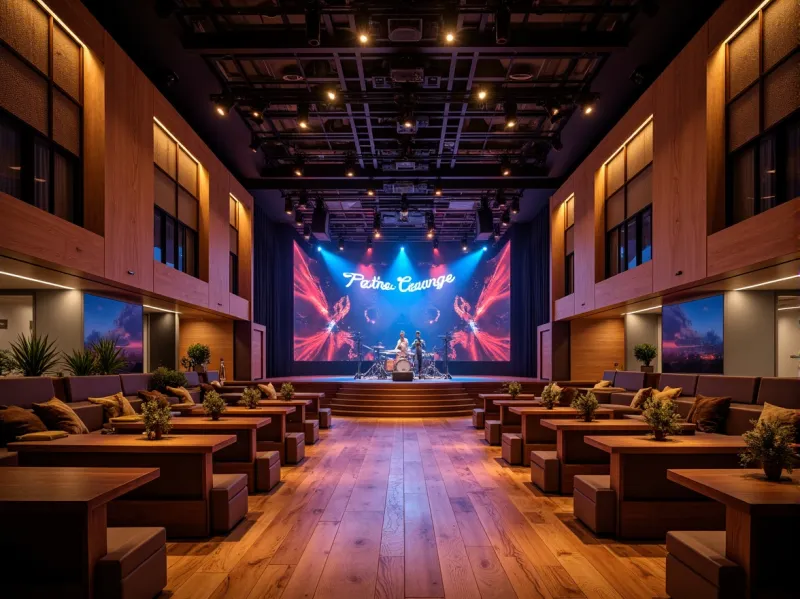
Photo: small intimate music venue crowd warm stage lights, via gstatic1.promeai.pro
Let's kill the myth right now: playing a 150-cap room in your hometown after you've started getting real traction is not a demotion. It's not nostalgia bait, it's not a cash grab, and it's definitely not a sign that the bigger rooms stopped calling. It might be the most strategically important show you play all year.
And yet the stigma is real. Somewhere along the way, indie artists absorbed this idea that a career is a one-way escalator — bigger venues, bigger cities, bigger numbers, and God forbid you're ever seen in the small rooms again. You know who doesn't think that way? People who've actually had long careers. Ask any touring act that's lasted a decade and they'll tell you the same thing: the rooms that made you are never done making you.
The Audience That Knew You Before the Work
Here's something no A&R rep, no playlist curator, no industry gatekeeper of any kind can give you: feedback from people who knew you before you were good.
Your hometown crowd watched you fumble through open mics. They were there when the songs were bad. They don't evaluate you against the market — they evaluate you against you. When you come back and play for them, you get a kind of measurement that's impossible to buy. If the new material lands in a room full of people who remember the old material, that's data. If it doesn't, that's data too, and it's more honest than anything you'll read in a comment section from strangers.
There's also an accountability function that's easy to overlook. Hometown crowds keep you honest. You can reinvent yourself in a new city every weekend, but the people from home remember the through-line. They'll notice when something's genuine and they'll notice — immediately — when it's not. That's not a constraint on your artistry. That's a north star.
How to Make It a Victory Lap, Not a Retreat
The difference between a homecoming and a regression is entirely in the framing, and framing is your job, not the crowd's.
Say it out loud. Don't be coy about the fact that you wanted to come back. Tell the room why. Gratitude reads as confidence; pretending you never left reads as insecurity.
Play the history on purpose. Build the setlist with intention. The deep cuts from your first EP aren't filler here — they're the shared language of the room. A hometown show is one of the only contexts where your oldest work and newest work can talk to each other.
Bring the production home. If you've leveled up as a performer, show it. Coming back to a small room with a bigger, sharper show isn't showing off — it's letting the people who invested in you early see the return.
Make it an event, not a gig. Partner with the local venue, the record shop, the high school friend who does posters now. Hometown shows work best when the whole scene gets a piece of the night.
The Long Game
Careers in this business aren't built on a single trajectory upward. They're built on loops — leaving and returning, expanding and grounding. The artists who burn out are usually the ones who only know how to leave.
So take the hometown date. Put it on the calendar between the bigger rooms and own it. The room that made you isn't behind you. It's the reference point everything ahead of you gets measured against — and there's no audience on earth better equipped to tell you how you're doing.