Between the Clock and the Canvas: Where Working Artists Actually Spend Their Tuesdays
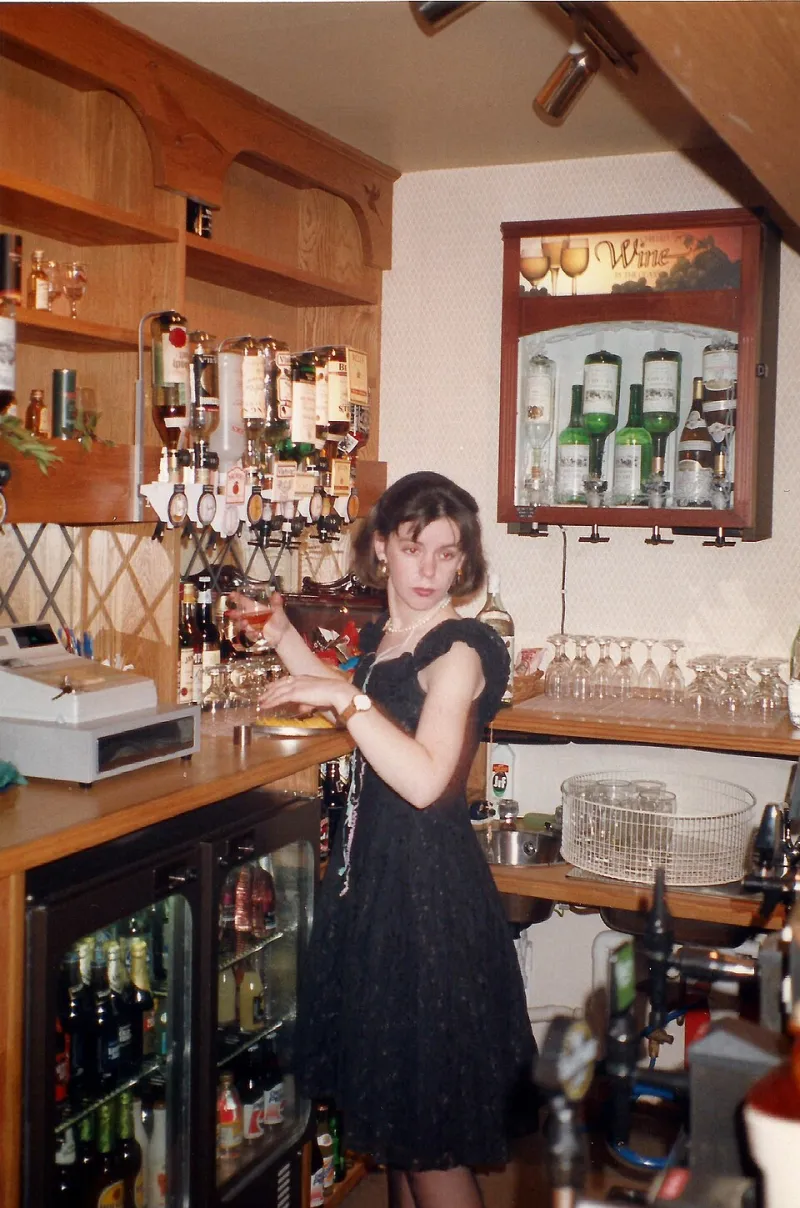
Photo: Rodhullandemu, CC BY-SA 3.0, via Wikimedia Commons
There's a myth we keep telling young creatives in this country: that the real artists are the ones who went full-time at 23 and never looked back. The rest of you, apparently, are just dabbling.
Spend one afternoon with a working painter who pulls espresso at 6 a.m. so she can be in the studio by 2, and that myth falls apart fast. The dream doesn't die at the day job. In a lot of cases, that's exactly where it gets its material.
The Bartender Who Writes Between Orders
Marcus has tended bar in Chicago for nine years. He's also a short story writer with two pieces in respected literary journals this year alone. When I asked him how the two jobs coexist, he laughed.
"People think bartending is a distraction. It's the opposite. I watch people lie, flirt, grieve, and celebrate — all in the same four-hour window. Where else do you get that?"
He keeps a napkin note system: one line per shift, something overheard or noticed. Those lines have become the spine of his last three stories. His survival job is, functionally, a paid residency in human behavior.
The Teacher and the Long Game
Then there's Dana, a middle school art teacher outside of Atlanta. For years she resented the classroom for what it took from her own practice — the energy, the hours, the grading. What changed her mind was a student who asked why she never painted anymore.
"I realized I was modeling the wrong thing. I was telling kids to chase their thing while quietly abandoning mine."
Now she paints in 45-minute windows before school. They're small, constrained, unfinished-feeling pieces — and they're the best work of her career. The constraint isn't the obstacle. It's the format.
The Coder Who Composes at Night
Not every day job is romantic. Jake writes backend code for a logistics company in Denver and composes electronic music at night. He's blunt about it: "The job is boring. That's the point. A boring job leaves something in the tank. A soul-crushing 'industry' job that's almost creative would eat me alive."
There's a real insight there. Some artists are better off with a job that asks nothing of their creativity — it keeps the well from being drained by 5 p.m.
What the Day Job Actually Gives You
Across a dozen conversations, a pattern emerged. The day job, whatever it is, tends to supply one of three things:
- Material. Human contact, stories, friction, overheard dialogue. Service jobs are goldmines.
- Structure. A deadline you didn't choose, which paradoxically makes the studio hours sharper.
- Distance. A separate identity to retreat to when the art gets rejection-heavy — which keeps you from making desperate work.
Stop Calling It a Failure
The most damaging thing about the "sellout" narrative is that it makes artists hide the very thing sustaining them. Nobody wants to admit they're mixing cocktails at 30. But the honesty is where the power is. The artist with a day job and a body of work beats the artist with a fantasy and a blank canvas every single time.
Your 9 to 5 isn't the thing standing between you and the art. Handled right, it's the thing quietly feeding it.