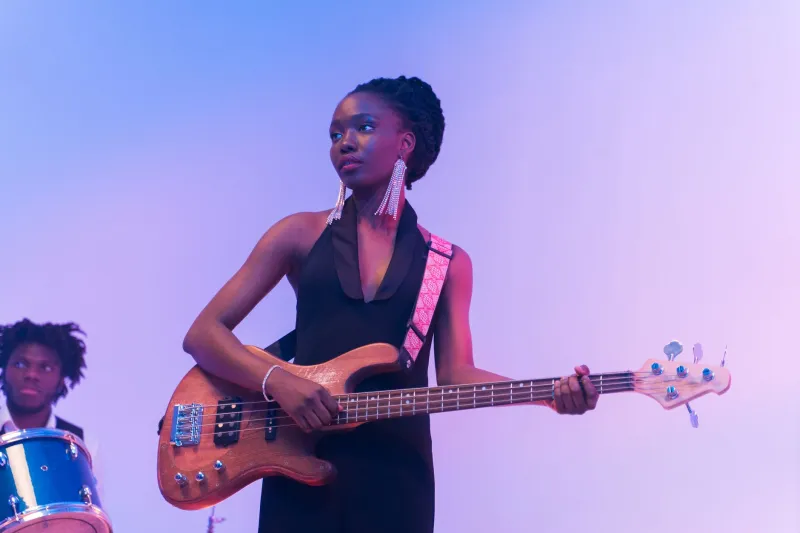
No Script, No Shortcuts: The Raw Creative Process Behind Courtney Illfield's Art
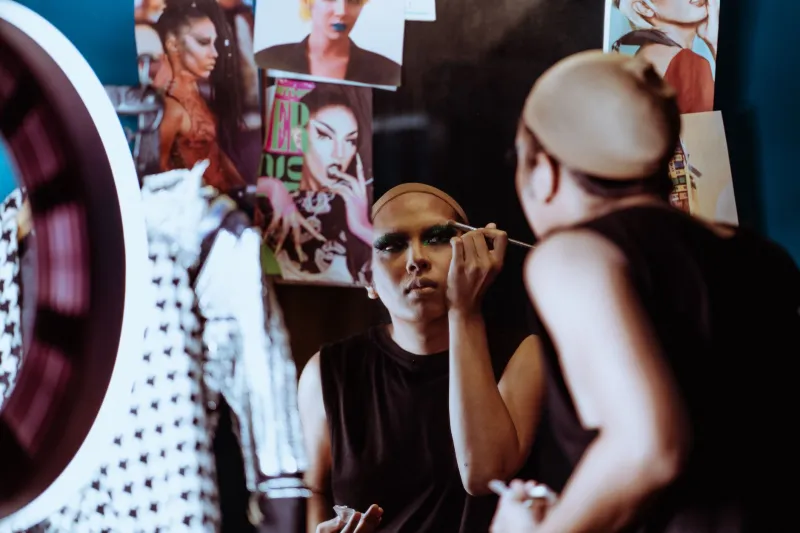
No Script, No Shortcuts: The Raw Creative Process Behind Courtney Illfield's Art
There's a version of the entertainment industry that loves a polished story. The kind where an artist wakes up one morning, fully formed, ready to conquer the world. Courtney Illfield has never been that story — and honestly? That's the whole point.
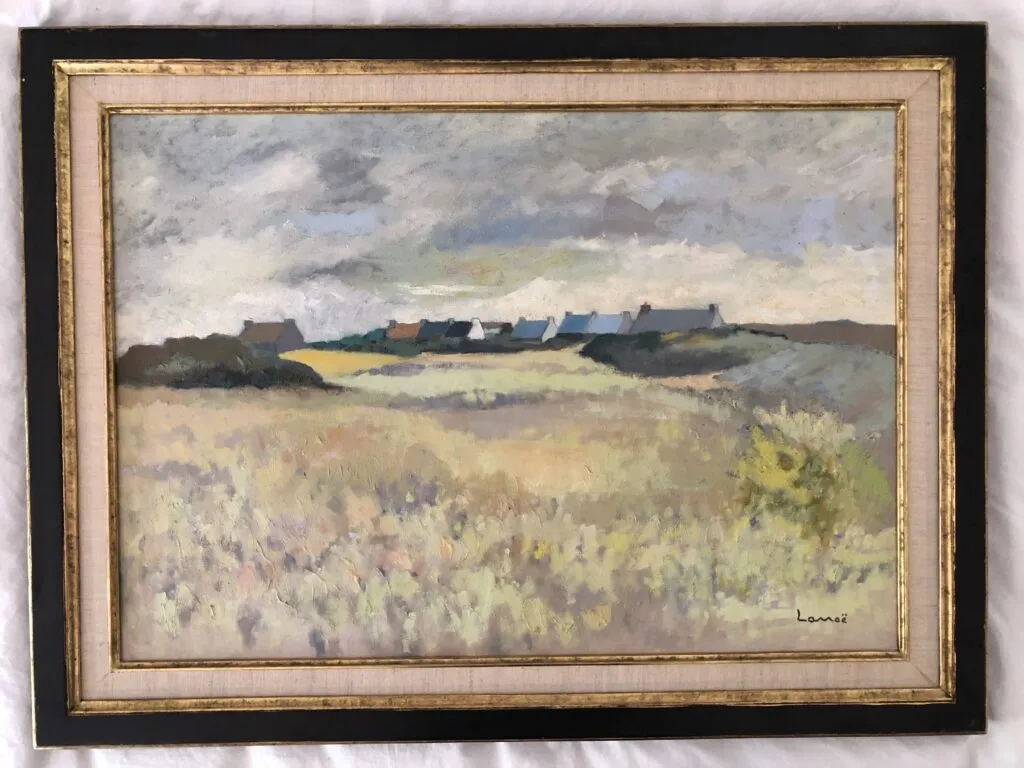 Photo: Courtney Illfield, via kunstfinden.ch
For Courtney, the work starts long before anyone's watching. It starts in the quiet, sometimes uncomfortable space between who she is and who she's still becoming. And if you've followed her journey at all, you already know that space is where her best stuff comes from.
The Morning Ritual Nobody Talks About
Ask most performers what their pre-show routine looks like and you'll get a rehearsed answer. Courtney's is a little different. Before any major performance — whether it's a live set, a shoot, or a creative collaboration — she carves out time to just sit with herself. No phone, no playlist, no agenda.
She's talked openly about keeping a journal, not the curated kind you'd post on Instagram, but the raw, unfiltered kind where she works through anxieties, revisits old ideas, and sometimes just draws shapes on a page. It sounds simple. But that practice of showing up for herself, without the pressure to produce anything, is where the real creative seeds get planted.
"You can't perform authenticity," she's said in past interviews. "You either bring yourself to the work or you don't. And the audience always knows the difference."
Inspiration That Doesn't Come From a Feed
In an era where artists are constantly bombarded with content — trends cycling through social media every 48 hours — Courtney has made a deliberate choice to pull her inspiration from somewhere older and slower. She's a self-described "analog person in a digital world."
She keeps a running collection of physical things: torn magazine pages, handwritten notes from fans, old concert ticket stubs, photographs printed on actual paper. These aren't just decorative. They're reference points. When she's building out a new concept or working through a creative block, she spreads them out and looks for patterns — emotional ones, not aesthetic ones.
She's also deeply influenced by storytellers outside her own lane. Novelists, visual artists, documentary filmmakers — people who aren't operating under the same industry pressures she faces. That cross-pollination keeps her work feeling fresh without chasing whatever's trending on any given Tuesday.
The Part Where It Gets Hard
Here's the thing nobody really wants to talk about: creative authenticity is genuinely difficult to maintain. It's easy to say "stay true to yourself" when things are going well. It's a whole different conversation when you're in a room full of people who have opinions about what you should be doing differently.
Courtney has been in those rooms. She's heard the notes. "Make it more accessible." "Can we soften that?" "This might be too niche." And she's had to sit with those moments, figure out what's useful feedback and what's just noise, and then make a call that she can live with.
The doubt is real. She's admitted that there are days when she genuinely wonders if staying true to her vision is worth the friction it sometimes creates. But then she goes back to the work — back to that journal, back to that collection of torn-up inspiration pieces — and she finds her footing again.
That cycle of doubt and return isn't a weakness in her process. It's the engine of it.
Why Staying in Your Lane Actually Builds a Bigger Audience
There's a counterintuitive truth buried in Courtney's approach: the more specific and personal you get, the more people actually connect with it. It seems like narrowing your focus would shrink your audience. In practice, it does the opposite.
When fans talk about why they love Courtney's work, they rarely lead with technical skill (though that's absolutely there). They lead with recognition. They see something in her performances that reflects something real in their own lives. That doesn't happen when an artist is chasing broad appeal. It only happens when someone is being genuinely, sometimes uncomfortably, themselves.
That loyal core of fans she's built didn't show up because of a viral moment or a perfectly timed algorithm bump. They showed up because they trusted her — and she earned that trust by never pretending to be something she wasn't.
The Breakthrough Moments Are Usually Quiet
You might expect the defining moments in Courtney's creative journey to be big and dramatic. Sometimes they are. But more often, she's described the real breakthroughs as small, almost private things.
A line in a performance that finally felt right after a dozen attempts that didn't. A choice to keep something raw rather than polish it into something safer. A conversation with a collaborator that reframed an entire project. These aren't headline moments. But they're the ones that actually move the work forward.
That's the thing about building a genuine artistic identity — it's not made in grand gestures. It's made in the accumulation of small, honest choices, repeated over time, until they add up to something that actually means something.
What Authenticity Actually Looks Like in Practice
It's worth being concrete about this, because "authenticity" has become one of those words that gets thrown around so much it starts to lose its shape.
For Courtney, it looks like turning down opportunities that don't align with where she's trying to go, even when the money or the exposure is tempting. It looks like revisiting and sometimes scrapping work that feels performative rather than genuine. It looks like being willing to have the hard conversation with collaborators when something isn't working, rather than just pushing through and hoping for the best.
It also looks like showing up imperfectly. Not every performance is transcendent. Not every creative risk pays off. But the willingness to keep taking those risks, in public, without a safety net of manufactured persona — that's the whole thing.
Courtney Illfield's art isn't perfect. It's better than that. It's real. And in an industry that can sand the edges off just about anything given enough time and pressure, that realness is genuinely rare.
If you haven't been paying attention to what she's been building, now's a pretty good time to start.