Working in the Quiet: What Keeps an Artist Moving When Nobody's Watching
Working in the Quiet: What Keeps an Artist Moving When Nobody's Watching
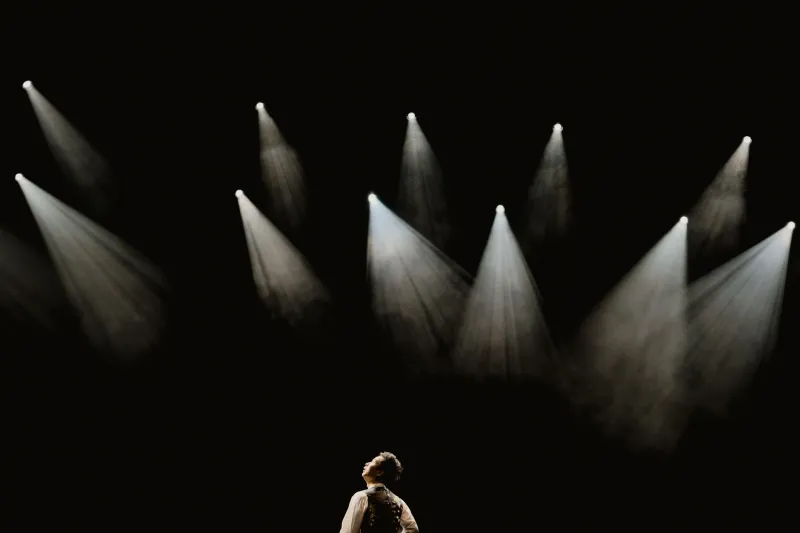
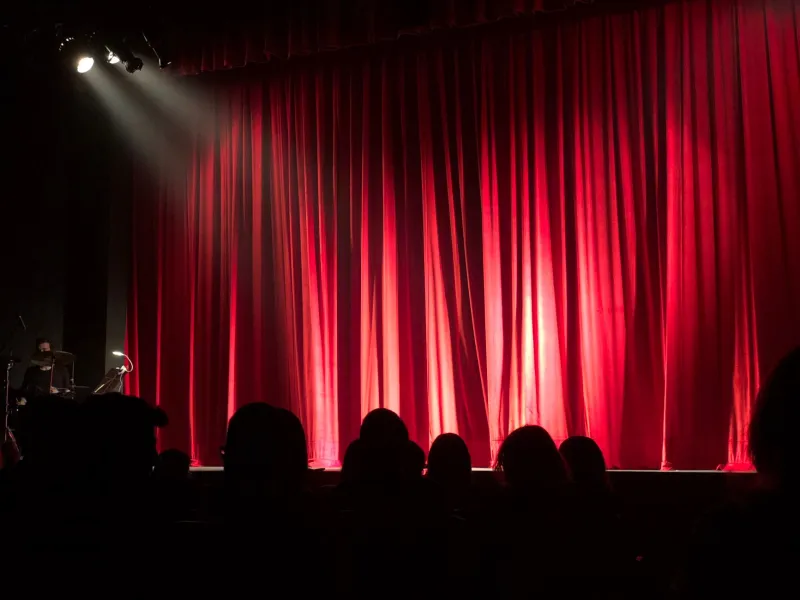
There's a version of the artist's life that gets told over and over — the packed house, the standing ovation, the moment a song cracks open the internet and everything changes overnight. What doesn't get told nearly as often is the stretch that comes before all of that, and sometimes after it. The long, low-visibility season when you're still making work, still showing up, still pouring yourself into something — and the room is basically empty.
No applause. No algorithm bump. No messages flooding your inbox. Just you, your craft, and a silence that has a way of asking uncomfortable questions.
That silence is where most creative careers actually get decided.
The Myth of Constant Momentum
American entertainment culture is obsessed with the breakthrough. We love a launch, a debut, a viral moment. What we're less interested in is the two-year stretch after the debut when an artist is quietly rebuilding, recalibrating, or just grinding through a creative dry spell with no guarantee of what's on the other side.
But talk to almost any working artist — a musician who's been on the road for a decade, a painter who's been showing in galleries for twenty years, a performer who built a regional following before anyone outside their city knew their name — and they'll tell you the same thing. The quiet periods aren't the exception. They're a fundamental part of the cycle.
The problem is that when the room goes silent, our brains tend to treat it like a verdict. Like the quiet is proof that it's over, that the work isn't good enough, that we were fooling ourselves all along. And that's exactly when the most important creative decisions get made — usually without anyone watching.
What Real Persistence Actually Looks Like
There's a reason people talk about Dolly Parton's work ethic in almost reverent terms. She has spoken publicly for decades about writing songs constantly, not just when inspiration struck or when a label was waiting on a record. She wrote because writing was the practice, full stop. The output was almost secondary to the discipline of showing up.
Or consider the career arc of someone like Jeff Daniels, who spent years doing serious theatrical work in Michigan — running the Purple Rose Theatre Company he founded in Chelsea — during stretches when Hollywood wasn't exactly beating down his door. He didn't wait for the big call. He built something, sustained it, kept the creative muscles working. Then The Newsroom happened. Then Dumb and Dumber To. Then a whole new chapter. But none of that second act exists without the quiet years of steady, unglamorous creative output.
The pattern shows up everywhere once you start looking for it. Artists who last tend to have a relationship with their craft that isn't purely dependent on external validation. They've figured out — sometimes painfully — how to generate their own fuel.
The Psychology of Creating Without a Crowd
Here's what makes the quiet periods so psychologically brutal: human beings are wired for social feedback. We're not built to labor in isolation with no signal about whether what we're doing matters. Applause, likes, shares, sold-out shows — those aren't just ego gratification. They're data. They tell us we're connecting, that the work is landing somewhere outside our own heads.
When that feedback loop goes quiet, the brain starts filling in the blanks. And it rarely fills them in with encouragement.
This is why so many artists describe the low-visibility seasons as the ones that tested their identity more than their talent. It's easy to call yourself an artist when people are calling you one back. It's a different thing entirely to hold onto that identity when the external confirmation dries up.
What tends to separate the artists who push through from those who quietly step back isn't raw talent or even work ethic in the traditional sense. It's something closer to a settled, almost stubborn sense of self. A conviction that the making of the work has value independent of what the work produces — in attention, in income, in recognition.
Easier said than cultivated. But not impossible.
Practical Anchors for the Quiet Season
So what does it actually look like to keep moving when the momentum stalls? A few patterns show up consistently among artists who've navigated this well.
Shrink the audience on purpose. Some artists deliberately create for a very small circle during low-visibility stretches — a trusted collaborator, a journal, a private recording that nobody hears. Removing the pressure of public reception can unlock creative honesty that's hard to access when you're performing for a crowd.
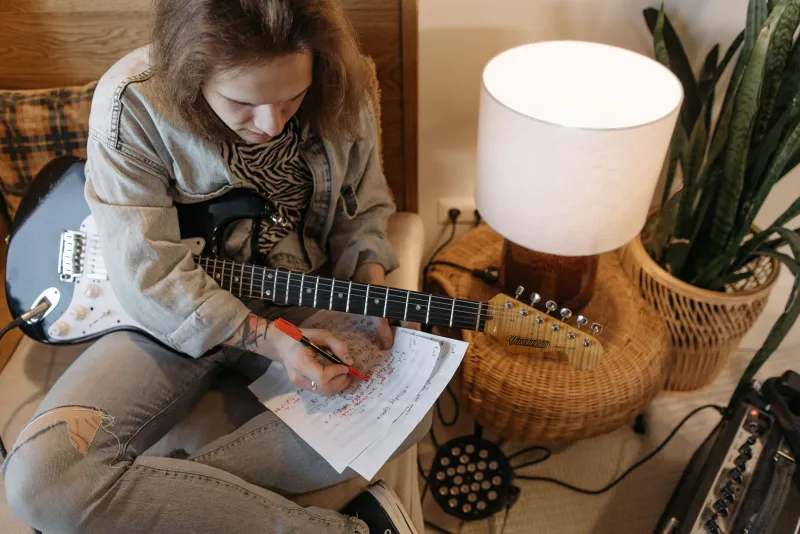
Recommit to the daily ritual. When outcomes feel uncertain, process becomes the anchor. A songwriter who writes for thirty minutes every morning isn't waiting for inspiration — they're showing up whether it arrives or not. The ritual itself becomes the evidence that you're still an artist, regardless of what the outside world is reflecting back.
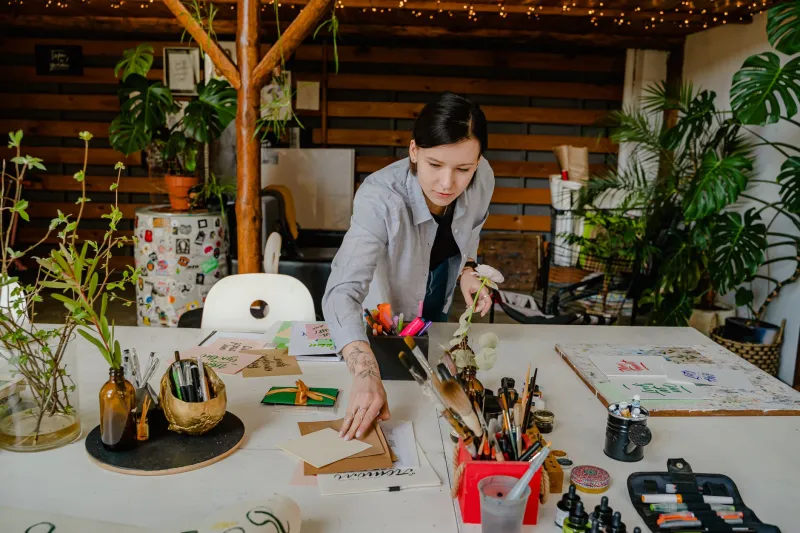
Study obsessively. Quiet periods are often when the deepest artistic growth happens, precisely because there's less performance pressure and more bandwidth for absorption. Reading, watching, listening — not for escape but for education. Many artists describe their fallow seasons as the ones where they finally had time to actually study the craft in ways touring or project deadlines never allowed.
Let the silence ask its questions. This one's uncomfortable but important. Sometimes the quiet period is the work. Sometimes the absence of external noise is exactly what forces the internal reckoning that produces the next true thing. Resisting the silence entirely, filling every hour with frantic activity just to avoid the stillness, can actually delay the breakthrough it feels like you're working toward.
The Room Always Fills Again — But Not for Everyone
Here's the honest part: not every quiet period ends in a triumphant return. Some artists step back during the silence and discover they needed a different life. And that's a legitimate outcome, not a failure. Authenticity — the thing this whole creative life is built on — sometimes means acknowledging that the relationship with your art has changed.
But for the artists who stay, who keep working through the low-visibility seasons with some combination of discipline, stubbornness, and genuine love for the making of things, the quiet period tends to leave a mark on the work itself. A depth. A groundedness. A quality that audiences can feel even if they can't name it.
The encore nobody claps for is the one you perform for yourself, in an empty room, on a Tuesday when nobody's paying attention. It might be the most important performance of your career.
Keep showing up for it.