After the Curtain Falls: How Dead Ends Secretly Become the Best Thing That Ever Happened to Your Art
There's a specific kind of silence that follows what you think is your last shot. The tour that didn't sell. The album that got shelved two weeks before release. The audition that went sideways in front of the exact people you needed to impress. It's not loud. It's not dramatic. It just sits there, heavy and still, while you try to figure out what comes next.
Here's what nobody tells you in that moment: you might be standing right at the edge of the best work you've ever done.
The Myth of the Clean Finish Line
We love a good origin story in American entertainment. We love the scrappy underdog who makes it on sheer will. What we talk about a lot less is the artist who made it, stumbled hard, and then — quietly, stubbornly — came back with something nobody saw coming.
Think about what happened with Kacey Musgraves after the country radio world essentially shrugged at Rainbow. Critically beloved, commercially overlooked by the format that was supposed to be her home. She didn't course-correct back toward what the gatekeepers wanted. She leaned further into her own instincts and came out with Golden Hour — a record that won the Grammy for Album of the Year and rewrote what country music could sound like. The dead end wasn't a dead end. It was a detour that led somewhere nobody had a map to yet.
Or look at what happened to Justin Timberlake between his earlier solo run and FutureSex/LoveSounds. There was a stretch where the narrative around him had shifted, where the cultural moment felt like it had moved on. And then he came back with Timbaland and made something so forward-thinking it still sounds current. The gap wasn't wasted time. It was incubation.
Why Failure Cracks You Open
Here's the thing about hitting a wall — it forces you to stop performing for an audience that isn't there anymore. When the external pressure drops away, when the label isn't calling and the bookings slow down and the validation machine goes quiet, you're suddenly left alone with the actual art. No noise. No expectations. Just you and the work.
That's terrifying. It's also incredibly clarifying.
Courtney has talked about this — that feeling of a project not landing the way you hoped, the weird grief of it, and then the unexpected freedom that comes after. When you're not chasing a specific result, you start making decisions based purely on what feels true. You stop second-guessing the weird choice, the unexpected direction, the thing that doesn't fit the mold you thought you were supposed to fit. You just make it because it's honest.
And honesty, it turns out, is the thing audiences actually respond to. Not perfection. Not polish. The real stuff.
The Encore Nobody Scheduled
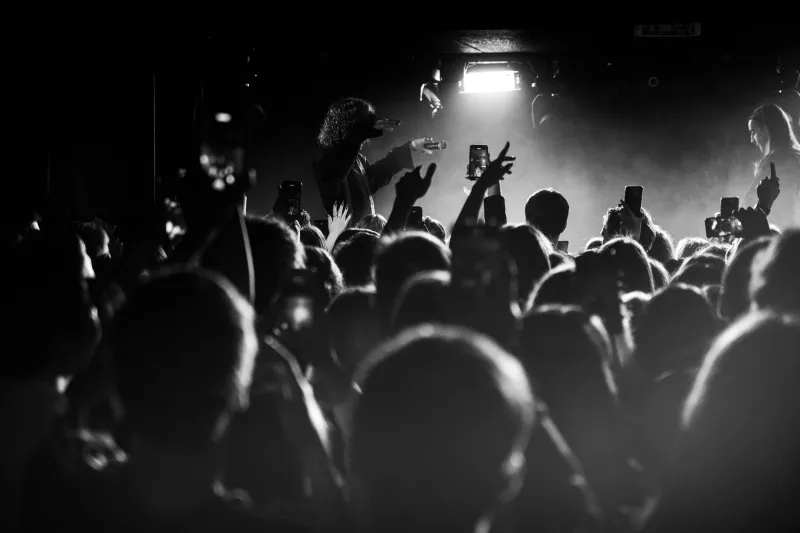
In live performance, an encore is technically a planned surprise. The band walks off stage. The crowd cheers. They come back. Everyone knows it's coming, but the ritual still works because there's something emotionally true about it — the idea that the show isn't quite over, that there's something left to give.
Creative breakthroughs work the same way. They look unplanned from the outside. They feel unplanned from the inside. But they're almost always the direct result of everything that came before — including, especially, the part that felt like failure.
Beyoncé's Lemonade didn't come from a place of easy creative comfort. It came from processing something raw and real and turning it into one of the most ambitious visual albums in modern music history. The vulnerability wasn't incidental to the work — it was the work. The crack in the surface let the light in.
What You Can Actually Do With a Dead End
So what's the practical takeaway when you're in the middle of what feels like an ending? A few things worth sitting with:
Stop trying to salvage the old version. The instinct when something fails is to fix it, to figure out what went wrong and correct course back to the original plan. Sometimes that's right. But sometimes the plan itself was the problem, and the failure is the universe's way of telling you to try a different door.
Give yourself permission to make something nobody asked for. The projects that feel the most like yours — the ones that come from a purely internal place — often have the longest lives. They find their audience eventually, even if that audience takes a while to show up.
Pay attention to what you make when nobody's watching. The stuff you create during the quiet stretches, when there's no deadline and no audience and no pressure, is usually closer to your actual artistic identity than anything you've made under a spotlight. That's your signal.
Sit in the discomfort longer than feels comfortable. The instinct is to fill the silence as fast as possible — to announce the next thing, to stay visible, to prove you're still here. Resist it when you can. Some of the best creative ideas need the silence to form.
The Work Outlasts the Stumble
One of the truest things about American entertainment is that the culture has a short memory for failure and a long memory for great work. The stumbles that feel permanent rarely are. What lasts is the art — the record that came out of the hard season, the performance that was born from the breakdown, the creative pivot that only happened because the original road closed.
Courtney Illfield's whole ethos is rooted in this idea — that authenticity isn't just a brand position, it's a survival strategy. The artists who last aren't the ones who never fall. They're the ones who fall, sit with it, make something true out of it, and walk back out onto the stage.
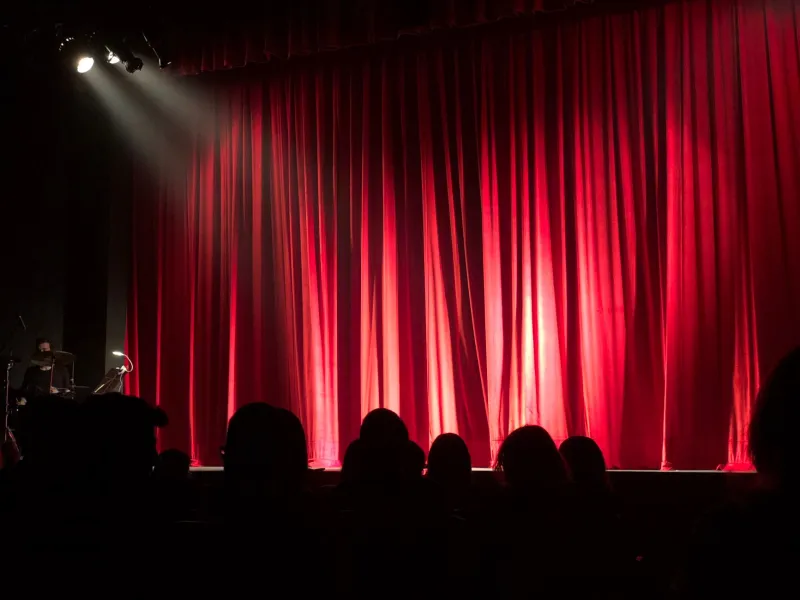
The curtain coming down isn't always the end of the show. Sometimes it's just the pause before the best part.
And if you're in that pause right now — in that strange, quiet stretch after something didn't go the way you planned — take a breath. The encore hasn't happened yet. That doesn't mean it isn't coming.