What the Camera Never Catches: The Unglamorous Hours That Actually Make You an Artist
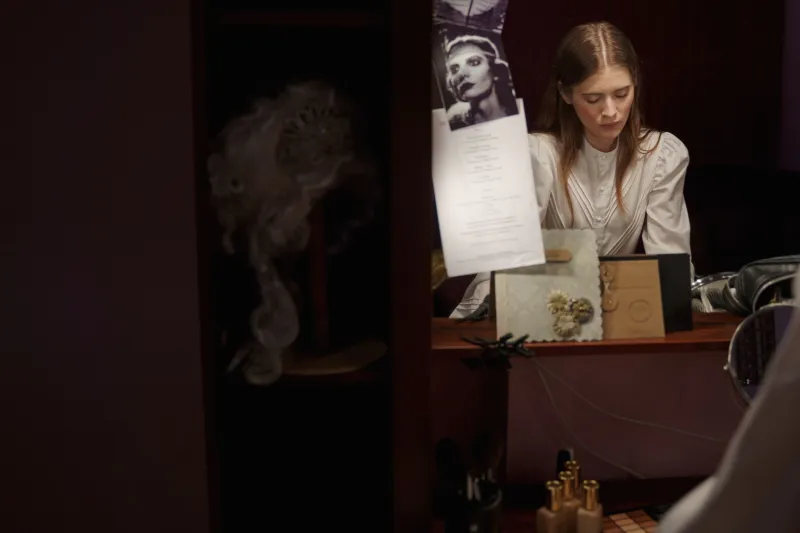
Here's a scene nobody puts on their Instagram grid: a half-eaten granola bar on a green room folding table, a setlist covered in pencil marks, and a performer sitting alone in the kind of fluorescent silence that hums just slightly too loud. No crowd. No applause. Just the weird, suspended feeling of waiting for something to begin — or processing something that just ended.
That's the side of the stage nobody shows you. And honestly? It might be the most important part.
The Gap Between the Moments
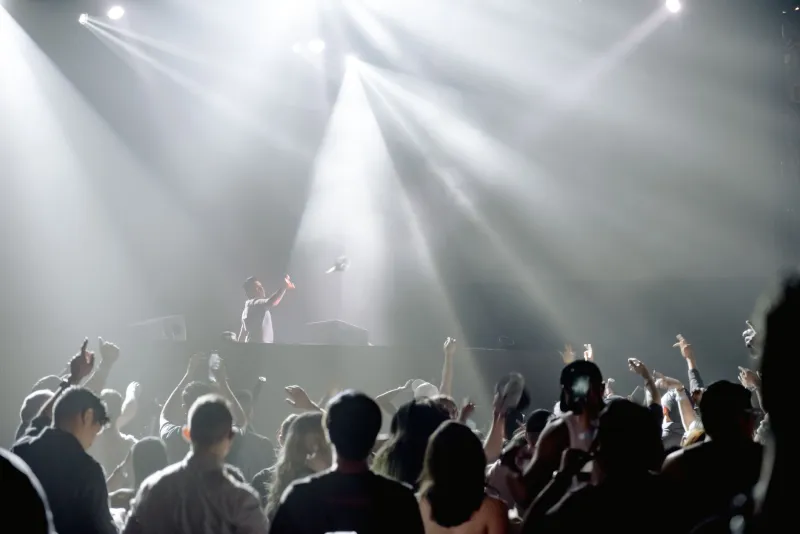
We live in a culture that worships the peak. The sold-out show. The standing ovation. The post that goes viral at 2 in the morning. Social media has made it so easy to curate a version of the creative life that looks like one continuous highlight reel — a string of glowing moments stitched together without any of the gray, ordinary time in between.
But any working artist will tell you: the gap between those moments is enormous. And it's not nothing. It's actually everything.
For every hour spent performing, there are countless more spent preparing, recovering, doubting, and quietly maintaining the machinery of your craft. The rehearsal rooms. The voice lessons on a Wednesday when you'd rather be anywhere else. The journaling that goes nowhere. The drives between gigs where you replay what went wrong and promise yourself you'll fix it next time.
None of it looks good in a photo. All of it is shaping who you are as an artist.
The Routine Nobody Talks About
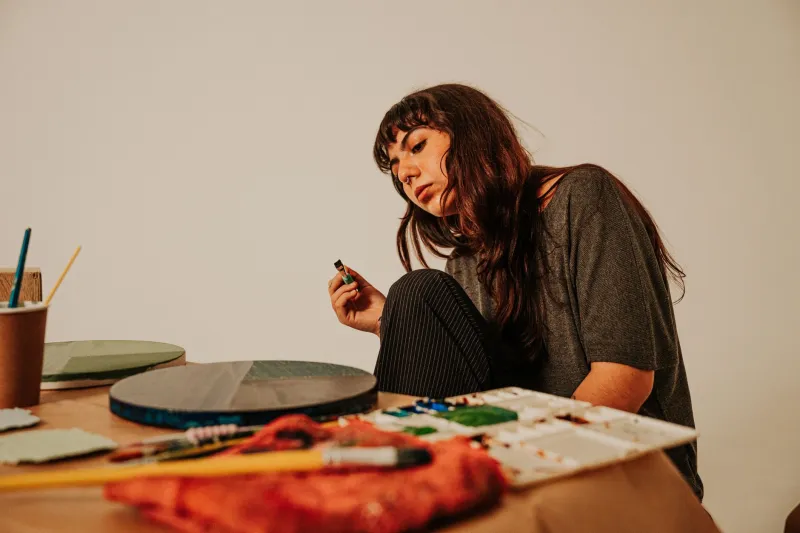
There's a particular kind of discipline that lives in the unglamorous hours — the kind that doesn't get applause. It's showing up to practice when you're tired. It's running scales or working a new piece of material when there's no deadline, no audience, no external pressure pushing you forward. Just you and the work and the choice to keep going.
Courtney has talked about this in her own process — the way the real craft lives in the repetition, not the performance. The performance is almost like the exhale. Everything before it is the long, steady breath in. And that breath takes a lot longer than people realize.
There's also the maintenance side of things that doesn't get romanticized enough. Protecting your voice. Getting actual sleep before a show. Eating something real instead of surviving on coffee and nerves. Managing your schedule so that your creative energy doesn't get completely drained by logistics. These aren't glamorous concerns. But neglecting them has real consequences, and every serious performer learns that lesson at some point — usually the hard way.
The Weight of Self-Doubt in Empty Rooms
Here's the other thing nobody posts about: the self-doubt that lives in the quiet.
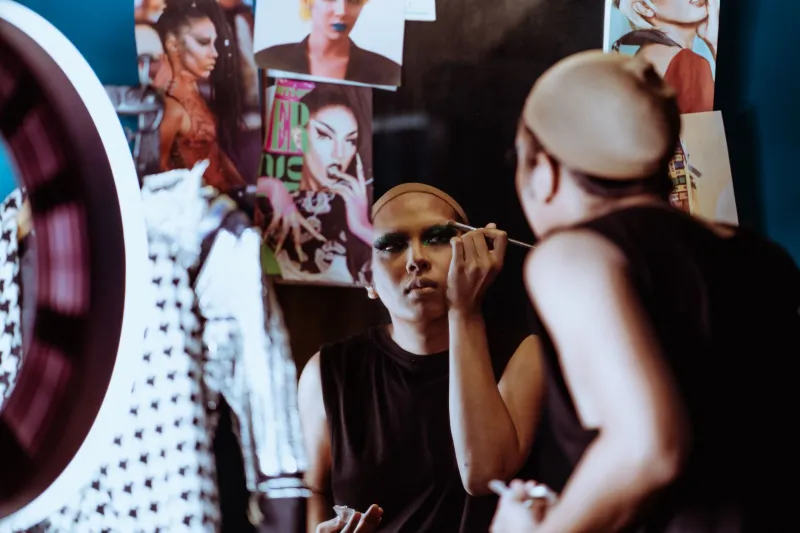
When you're performing, you're in motion. There's adrenaline, there's feedback from the room, there's the momentum of the moment carrying you forward. But in the hours before? In the dressing room, in the parking lot, in the morning before a big day? That's when the inner critic gets loud.
Was the last show actually good, or were people just being polite? Is this direction the right one? Am I growing, or am I just repeating myself?
Every artist sits with these questions. The difference between someone who keeps going and someone who doesn't isn't the absence of doubt — it's learning to work alongside it. To let it ask its questions and then get back to the work anyway. That's a skill that only develops in the invisible hours, in the private conversations you have with yourself when nobody is watching.
Finding the Meaning in the Mundane
There's a reframe that changes everything once you find it: the mundane parts of the creative life aren't the cost of doing business. They're the actual work.
The identity of an artist isn't built on stage. It's built in the accumulation of all the small, unremarkable choices made when there's no audience to perform for. The choice to practice when you don't feel like it. The choice to stay curious about your craft instead of coasting on what already works. The choice to sit with discomfort and keep showing up anyway.
That's authenticity in its most literal form — the version of yourself that exists when there's no spotlight to step into. And audiences can feel it, even if they can't name it. There's a difference between a performer who has put in the invisible work and one who hasn't. It lives in the confidence, the specificity, the ease. You can't fake it, and you can't manufacture it in a single big moment. It accumulates, quietly, over time.
The Case for Loving the In-Between
If you're in the thick of the unglamorous stretch right now — the rehearsal grind, the slow-building season, the stretch where it feels like nothing interesting is happening — consider this a reframe.
Something is happening. It's just happening below the surface, where cameras don't reach.
The waiting, the maintenance, the private discipline, the self-doubt you're learning to navigate — all of it is doing something. It's building the foundation that makes the spotlight moments actually mean something. It's shaping your voice, your instincts, your creative identity in ways that no single performance ever could.
Courtney's whole ethos — where art meets authenticity — isn't just about what shows up on stage. It's about what happens in all the hours that lead there. The real art is in the full picture, the unglamorous and the glorious, the seen and the unseen.
So yeah, eat the granola bar in the green room. Run the scales nobody will hear. Drive home in silence and let the show replay in your head. That's not the gap between the work.
That is the work.