When Your Life Blows Up, Your Art Wakes Up: Turning Big Transitions Into Your Boldest Work
The Shake-Up You Didn't Ask For (And What It's Actually Giving You)
Let's be honest — nobody wakes up one morning and thinks, Great, everything's about to fall apart. Can't wait to see what art comes out of this. Reinvention rarely feels like a gift when you're standing in the middle of it. It feels like chaos. Like losing your footing on ground you thought was solid.
But here's the thing: that disorientation? That's the texture of something real. And real is exactly what audiences are starving for right now.
Courtney Illfield has talked openly about leaning into the uncomfortable in-between — not rushing past it, not packaging it up before it's ready, but actually sitting inside the uncertainty long enough to let it speak. Because when life pivots hard, it strips away the performance you've been putting on and leaves you with something much more interesting: yourself, unfiltered.
That's not a crisis. That's the beginning of your most authentic work.
Why the Most Compelling Artists Keep Reinventing
Look at the American artists who've genuinely moved culture — not just made noise, but shifted something. Beyoncé dismantling her pop-princess image to create Lemonade. Bob Dylan going electric and alienating half his fanbase. Lizzo rewriting what mainstream visibility looks like. None of those pivots were comfortable. All of them were necessary.
Reinvention isn't a trend. It's a survival mechanism that also happens to be a creative goldmine.
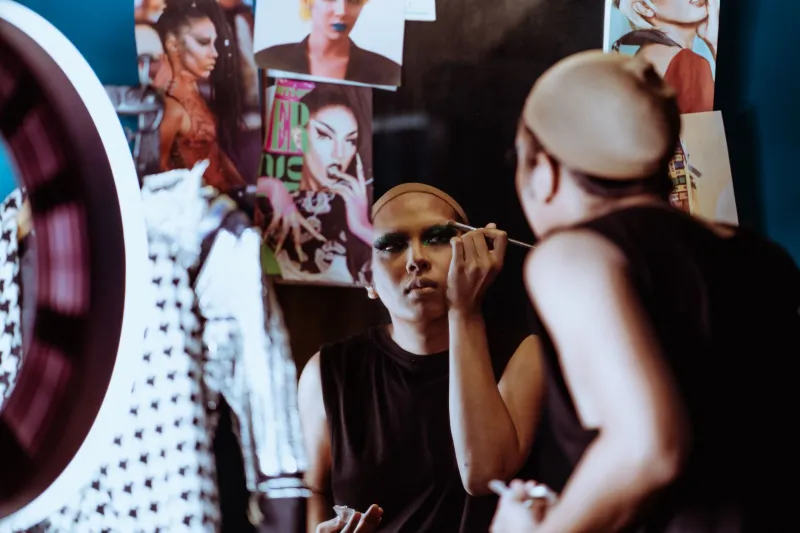
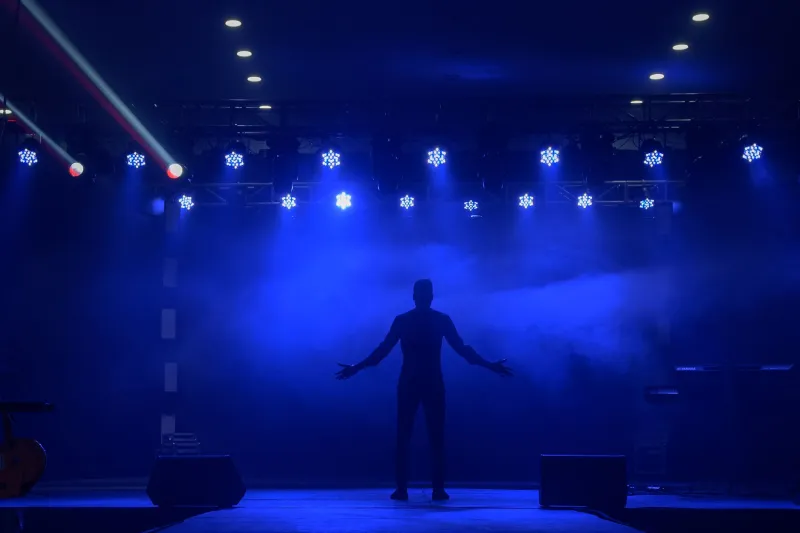
When you change — when your circumstances force you to look at the world differently — your creative voice has no choice but to evolve with you. The songwriter who goes through a divorce writes differently than the one who hasn't. The visual artist who moves from rural Ohio to Los Angeles sees color, space, and noise in a completely new register. The performer who leaves a stable nine-to-five to go all-in on their craft carries a specific kind of urgency that audiences feel in the room.
Life pivots don't dilute your voice. They sharpen it.
Techniques for Channeling Real-World Upheaval Into Your Work
So how do you actually do it — turn the messy, disorienting stuff into something that lands? A few approaches worth considering:
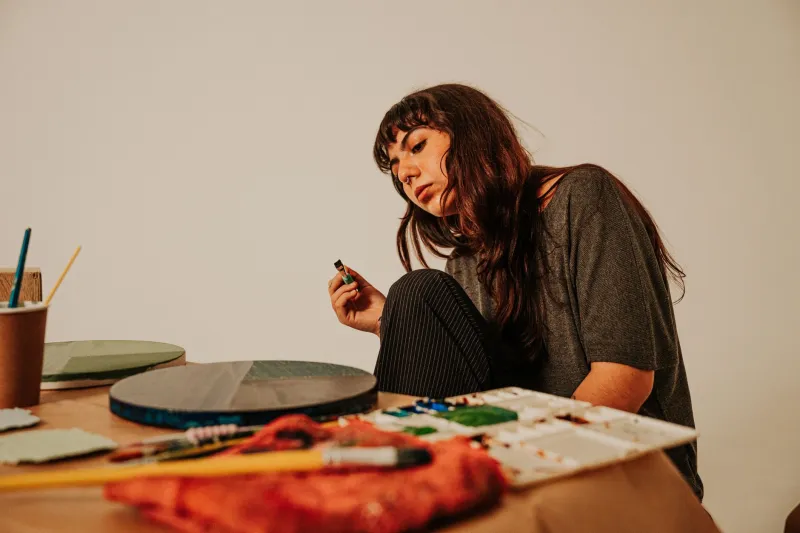
Document before you process. When you're in the middle of a major life shift, resist the urge to immediately make sense of it. Instead, capture it raw. Voice memos at 2 a.m. Sketchbook pages that don't need to be good. Lyrics that are embarrassingly on the nose. The goal isn't polish — it's preservation. You can shape it later. You can't recreate the feeling once it's gone.
Find the universal inside the specific. The details that feel too personal to share are often the ones that connect most deeply. Nobody wants a vague song about heartbreak. They want the specific detail — the coffee cup left on the wrong side of the sink, the voicemail you still haven't deleted. Specificity is what transforms your private experience into something a stranger in Des Moines or Denver feels in their chest.
Resist the tidy ending. American culture loves a resolution. A comeback arc. A lesson learned. But the most honest art lives in the unresolved tension — the piece that doesn't tell you how to feel, but instead holds the complexity without flinching. Give yourself permission to make work that doesn't wrap up cleanly, especially when you're still inside the pivot.
Use the new environment as a collaborator. If you've relocated, let the place do some of the work. New cities have sounds, rhythms, and light that seep into your creative consciousness whether you invite them or not. Pay attention to what's different. Walk different streets. Eat at places where nobody knows your name. Displacement is uncomfortable, but it's also wildly generative.
The Identity Question Nobody Talks About
Here's where a lot of artists get stuck during reinvention: they're afraid that if they change too much, they'll lose what made them them. That the audience who loved the old version won't follow. That they'll wake up on the other side of the pivot and not recognize themselves.
That fear is real. It's also a little beside the point.
Your artistic identity isn't a fixed thing you protect — it's a living thing you keep discovering. The version of you that made your earliest work wasn't the whole story. It was a chapter. And the readers who are meant to be with you for the long haul aren't following you because you stayed the same. They're following you because you keep showing up honestly, wherever you are.
Courtney Illfield's whole creative philosophy orbits this idea — that authenticity isn't about consistency of style or sound. It's about consistency of truth. You can change everything on the surface and still be utterly, recognizably yourself if the honesty stays intact.
Reinvention Isn't Starting Over — It's Starting Deeper
There's a version of reinvention that's about running away — from a failed project, a reputation you've outgrown, an identity that stopped fitting. That kind of pivot is usually more about fear than growth.
Then there's the reinvention that's about going deeper. Peeling back what was comfortable and convenient to find what's actually true. That's the one worth chasing.
The career change that forced you to question everything you thought you wanted. The relationship that ended and left you with a silence you had to fill with something. The city you left behind that still lives in your music or your paintings whether you meant it to or not. These aren't interruptions to your creative journey — they are your creative journey.
The artists who make work that endures aren't the ones who had the smoothest ride. They're the ones who paid attention when things got hard, and then had the courage to put what they found into something other people could experience.
So if you're in the middle of a pivot right now — if the ground feels uncertain and the next chapter isn't clear yet — take a breath. Grab whatever you use to make things. And start capturing.
Because the version of you that comes out the other side? They're going to have something real to say.