The Moment Everything Changes: What It Really Takes to Cross the Line From Hobbyist to Working Artist
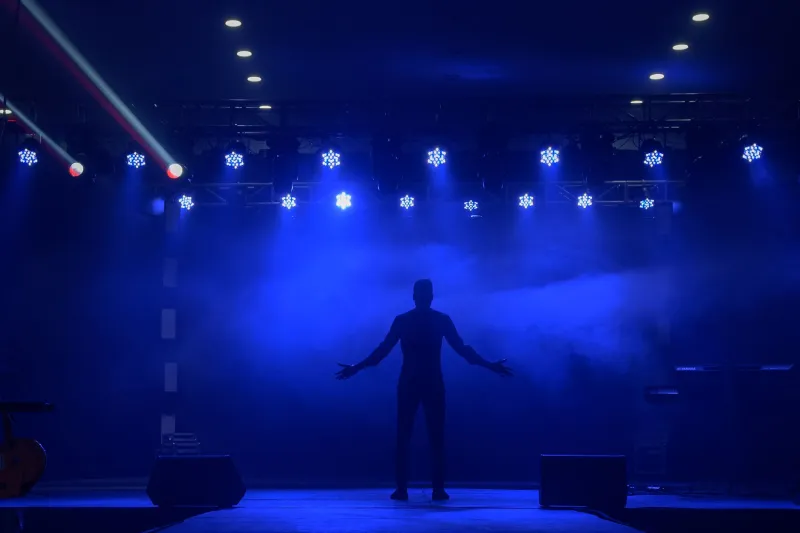
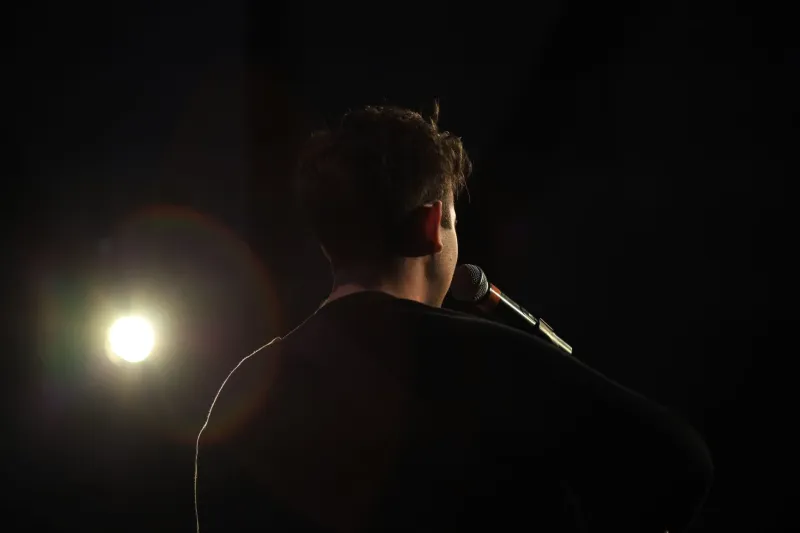
You know the scene. A Tuesday night open mic in some half-lit bar where the bartender is louder than the applause. Maybe it's a coffee shop in Nashville. A comedy club basement in Chicago. A tiny black box theater in Brooklyn where the audience outnumbers the cast by exactly three people. You've been here. You've lived here. And somewhere between your second set and the drive home, you start asking yourself the question every performer eventually faces: Is this going anywhere, or am I just really expensive at entertaining myself?
That question? It's not a crisis. It's actually the beginning of something.
Here at Courtney Illfield, authenticity isn't just a buzzword we throw around — it's the whole point. And the most authentic thing we can do for anyone who loves performance, who bleeds for their craft, is tell them the truth about what the transition from passionate hobbyist to working professional actually looks like. Spoiler: it's messier, slower, and way more internal than any highlight reel suggests.
The First Paid Gig Isn't What You Think It Is
Everybody imagines their first paid gig as this cinematic turning point. The crowd goes wild, someone hands you an envelope of cash, and suddenly you're a professional. The reality is usually a lot more anticlimactic — and honestly, more meaningful because of it.
For most artists, that first check is small. Like, embarrassingly small. We're talking $50 to play a corporate happy hour. A $75 flat rate for a 45-minute set at a private birthday party. Maybe a $200 split between four band members for a Friday night at a bar that mostly wanted background noise. The money isn't the point. The shift in identity is.
The second someone pays you — even a little — to do the thing you love, the relationship changes. You stop being a person who performs and start being a performer. That sounds like semantics, but the psychological weight of it is enormous. You've entered a transaction. Someone believed your art had enough value to exchange currency for it. That's not nothing. That's actually everything.
The trap, though, is treating that first check like an arrival instead of an invitation. It's not a destination. It's a door cracking open, and you have to decide whether you're going to push through it.
Rejection Isn't a Sign You're Failing — It's a Sign You're Playing
At some point, you're going to submit to something bigger. A festival. A major venue. A casting call for a project that actually matters to you. And you're going to get a no. Maybe a form email. Maybe just silence, which is somehow worse.
Here's what nobody tells you in the early days: rejection from a significant platform isn't evidence that you don't belong. It's evidence that you've started aiming at something real. You can't get rejected from a room you never tried to enter.
The performers who make it through — the ones who end up on stages that actually matter — aren't the ones who avoided rejection. They're the ones who learned to metabolize it. They read the no, they sat with the sting for exactly as long as they needed to, and then they asked one question: What do I do differently next time?
Not "was I wrong to try?" Not "maybe this isn't for me." Just: what's the next move?
That reframe is a skill. And like any skill, it takes repetition before it becomes instinct.
The Outside Validation Trap
This is the one that quietly derails more talented people than almost anything else. The desperate hunger for someone else to tell you that you're good enough before you'll fully commit to your own vision.
It shows up in a hundred different ways. Waiting for a label to reach out before recording a full album. Holding off on writing that screenplay until a producer expresses interest. Softening your most distinctive artistic choices because you're not sure an audience will get it. Letting the opinions of people who have never taken the stage themselves become the loudest voice in the room.
The artists who break through — really break through, not just get lucky once — are the ones who learned to bet on their own vision before the market confirmed it was worth betting on. That's not arrogance. That's faith in the work, developed through years of doing the work.
Courtney Illfield's whole creative philosophy is rooted in this idea: authenticity isn't something you perform for other people. It's something you practice in private, long before anyone's watching, until it becomes the only way you know how to move.
Practical Shifts That Actually Matter
Beyond the psychological stuff, there are some concrete changes that mark the transition from hobbyist to professional:
You start treating your art like a business. That means tracking your income, understanding contracts (even simple ones), building an email list, and showing up on time — every time. Talent without reliability is just potential.
You invest in your craft before the returns justify it. Better equipment. A vocal coach. A writing workshop. A photographer for press shots you're not sure you need yet. Professional-level investment signals professional-level intention.
You build relationships, not just a following. The American entertainment industry runs on networks. Not in a cynical, transactional way — but in the very human way that people hire and recommend and collaborate with people they actually know and trust. Show up for other artists. Be generous. The community you build on the way up is the community that sustains you when things get hard.
You get comfortable with discomfort. Every level up comes with new fears. New stakes. New versions of imposter syndrome you didn't know existed. The goal isn't to eliminate the discomfort — it's to act in spite of it.
The Line Isn't Where You Think It Is
Here's the honest truth: there's no single moment when you officially become a career artist. There's no certification, no ceremony, no industry-issued badge. The line is something you cross quietly, usually in retrospect, when you look back and realize you stopped asking for permission to take your art seriously.
The open mic nights aren't a waiting room. They're a training ground. The small gigs aren't consolation prizes. They're reps. The rejections aren't verdicts. They're redirects.
If you're in the middle of that grind right now — performing to half-empty rooms, sending submissions into the void, wondering when the work is going to start paying off in ways that feel proportionate to the effort — just know that the artists you admire most were exactly where you are. Most of them stayed there longer than you'd expect.
The difference between them and everyone who stopped? They kept going anyway.
And that, more than any single breakthrough moment, is where the real story starts.